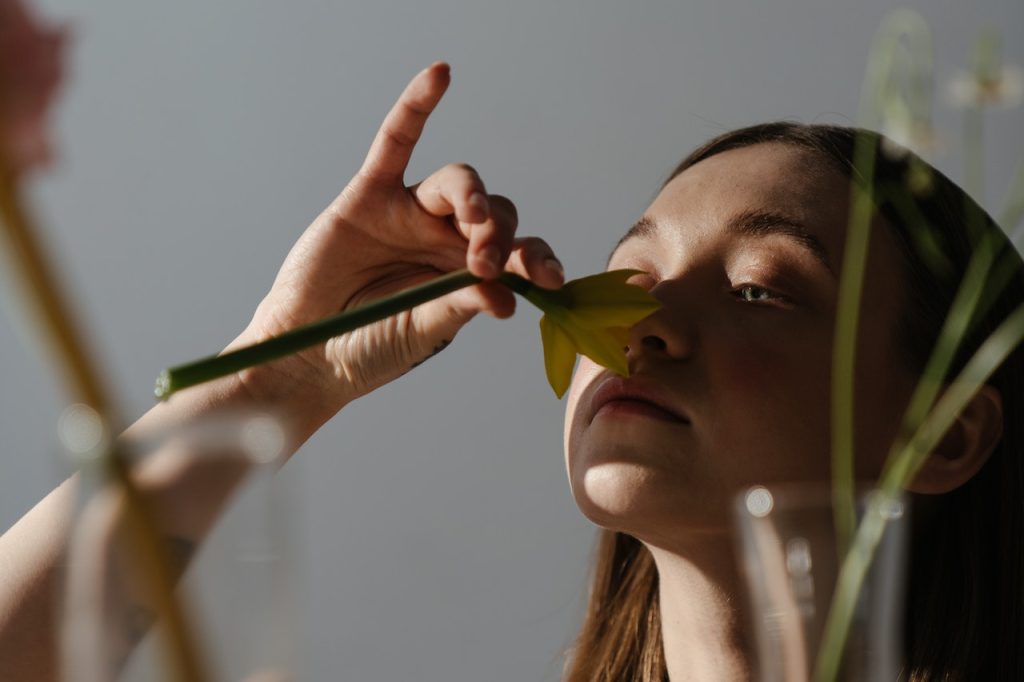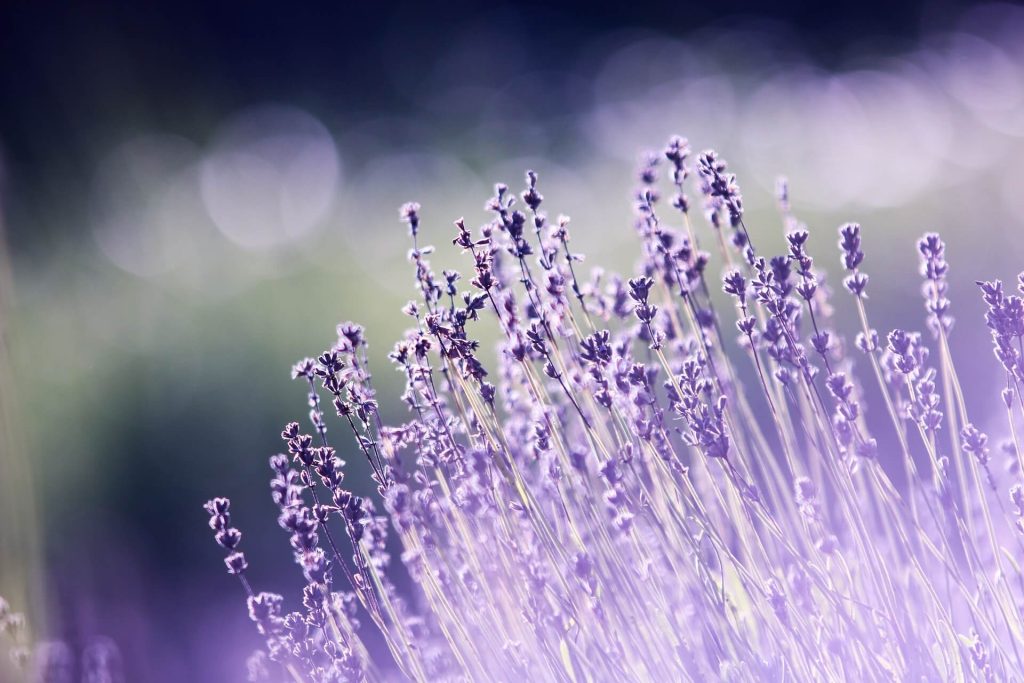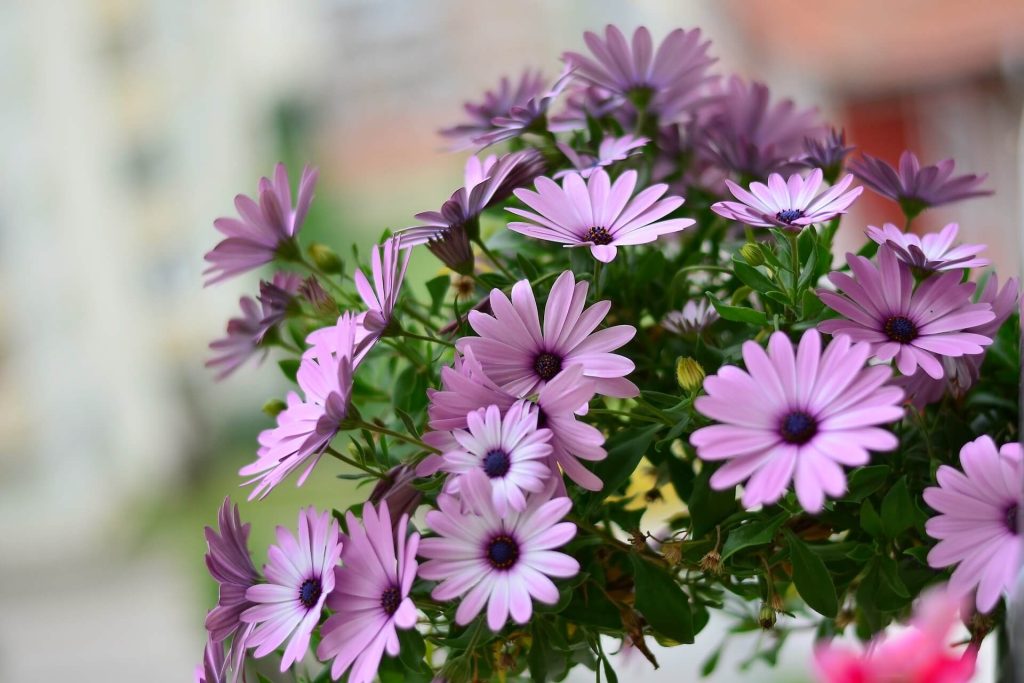
Science has proven that having bright and fragrant flowers in your home relieves your stress, makes you more compassionate towards others and boosts your energy at work. One of the studies even shows that flowers help the recovery process after surgery. What flowers should we choose to make us happy when we arrange them?
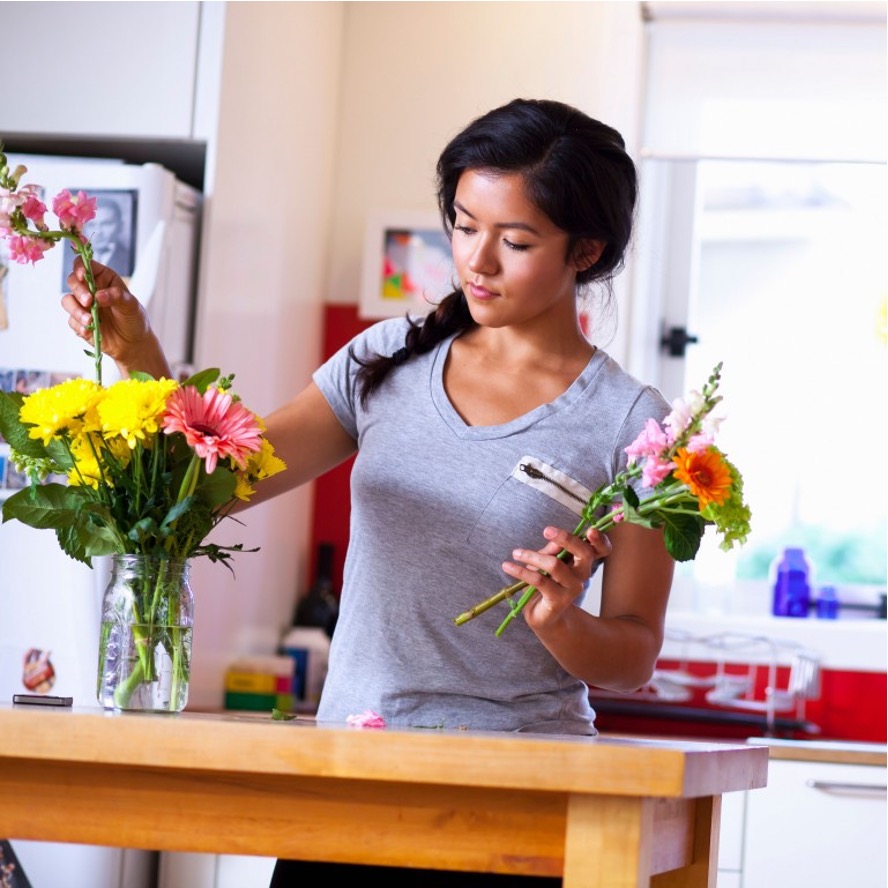
“Just looking at a beautiful arrangement gives me instant relief, just what I need after a long and stressful day,” says the safety instructor, who lives in Hong Kong. “And no matter where I put the bouquets, they make the space brighter and cozier.”
Most people only buy flowers for special occasions and for other people, but Miss Yu gets them for herself even without any celebration. When she was a 19-year-old student in Melbourne, Australia, she always went to the flower market once a week and picked up flower bouquets for herself and her roommate.
Even after returning to her native Hong Kong, she continues to enjoy flowers, spending from 100 Hong Kong dollars (20 BGN) for simple arrangements to thousands of dollars for “something special”. Her favorite colors are pink peonies and purple-blue hydrangeas.
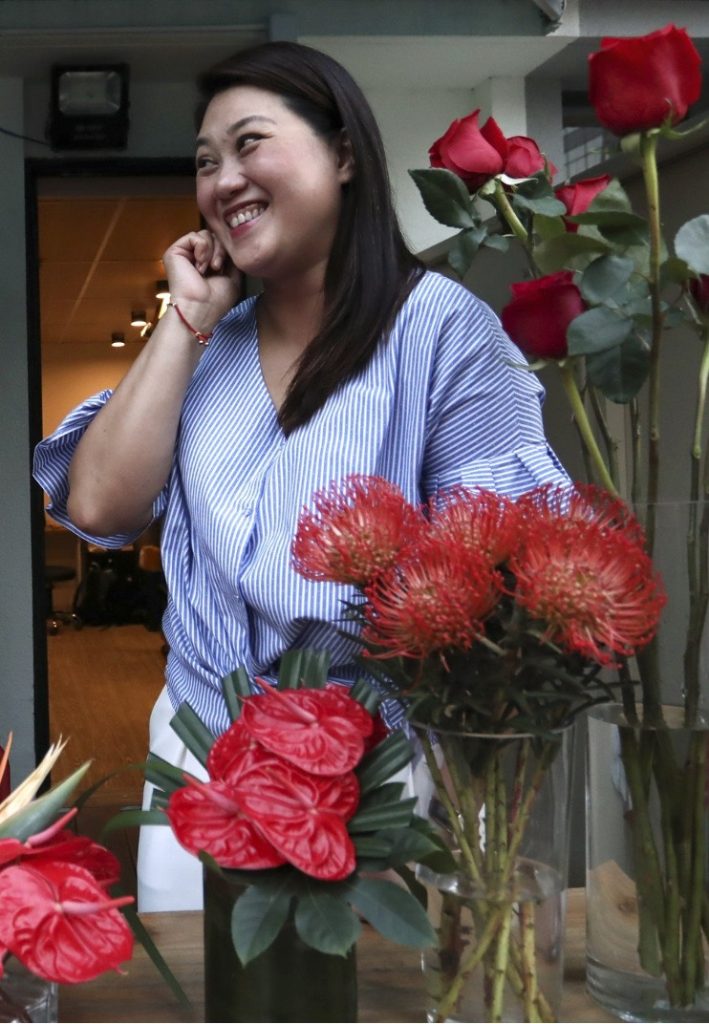
Miss Yu usually buys her bouquets from M Florist, a flower studio located in the business center of Hong Kong. The owner, Ken Tsui Kee-yu, started his project in 2016. He also believes that flowers in the home lift the mood and enhance the sense of warmth.
“Regardless of the type and color range of the bouquets, flowers bring us happiness and make us feel better,” he explains. “I feel especially satisfied and at peace when I arrange flowers.
But if you don’t trust Mr. Cui’s words, let’s see what science thinks! A 2012 study by Harvard Medical University in the US found that people felt more compassion for others, experienced less anxiety, tension and depression when they had freshly picked flowers in their home.
According to study leader Nancy Etkoff, an associate professor at Harvard University, project participants who had freshly picked flowers in their homes began to experience feelings of compassion and kindness toward other people in less than a week.
Those of the participants who placed the flowers in the most used rooms in their homes reported that they began to experience positive feelings and looked forward to seeing the flowers first thing when they woke up the next day.
Interestingly, this boost of happiness induced by the flowers also had an impact on the workplace of the group participants, where they were more likely to experience an improvement in mood and to feel a surge of enthusiasm and energy at work.

A 2008 clinical study published in the journal Hort Technology
(impact factor for 2019-2020 0.630 – which is a decrease of 14.86% from the previous period 😁 😁 😁 😁 I checked this on the Internet…) revealed that patients recovering from appendectomy (removal of the appendix) needed less pain relievers and had more positive physiological responses when plants and flowers were placed in their hospital rooms compared to patients in rooms without flowers.
According to the researchers, patients in rooms with plants had lower blood pressure, a normal, non-rapid heart rate, reported lower levels of pain, anxiety and fatigue, and were more satisfied with the hospital environment.
It is well known that in nature we experience less stress and our mood improves, but what makes flowers so special? Some researchers believe that flowers are “tamed” gifts of nature that over time have learned to make us happy.
Just as their smell, colors and shapes are designed to attract insects and birds that help them pollinate, reproduce and spread, flowers have “learned” what we humans like – namely bright colors, delicate and sweet smells , symmetrical and beautiful shapes.
This is of course a theory created by Professor Jeanette Haviland-Jones and her team at Rutgers University based in New Brunswick, New Jersey, USA. Their work was published in the journal “Evolutionary Psychology” in 2005. with the name: “Flowers – positive emotions, the environment”.
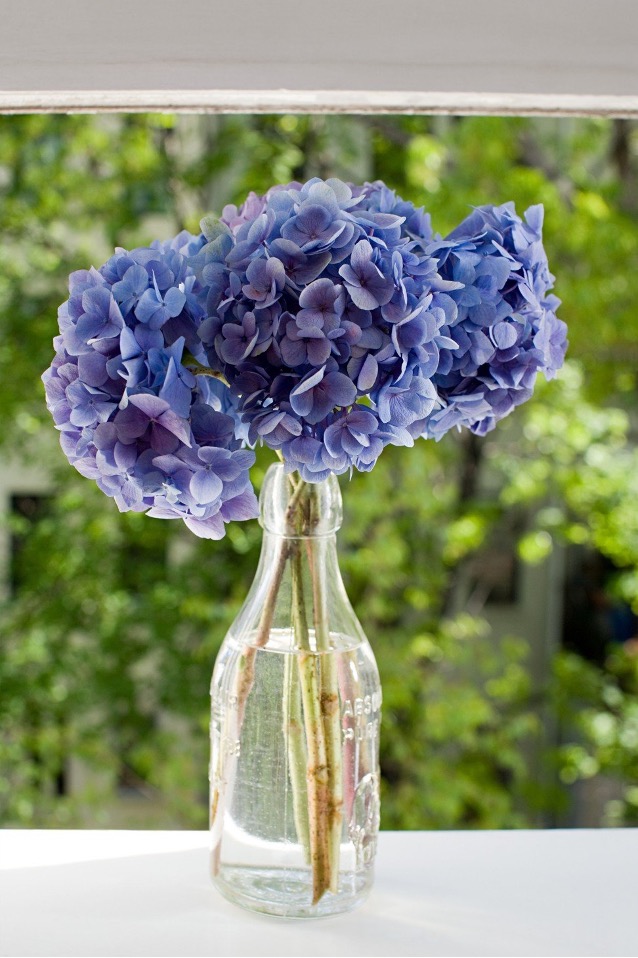
The article states that positive emotions are essential for maintaining optimal health and cognitive and socialization processes.
They write: “Our hypothesis is that cultivated flowers with their multisensory properties occupy an emotional niche in humans, evoking positive emotions in them.” On the other hand, flowering plants act as a reward for humans, and in return, they (cultivated flowers) are given the opportunity to propagate that only humans can provide.”
Miss Emily Wong Wing-wing, the founder of Flowering through the Art of Living in Hong Kong, shares that creating your own flower arrangements that evoke happiness is much easier than we think. For the workplace, she suggests putting in a vase with white tulips or dark calla lilies.
As well as looking elegant, says Miss Wong, these flowers have a calming effect and remind us to lighten up.
For the home, she recommends a combination of peonies and different types of eucalyptus. Peonies look stylish and luxurious, while eucalyptus refreshes the space.
“I also love the smell of these flowers,” adds Miss Wong. “Peonies have a sweet, intoxicating scent that always makes me smile, while eucalyptus has a minty, almost piney fragrance that instantly calms me, no matter how tense I’ve been.”
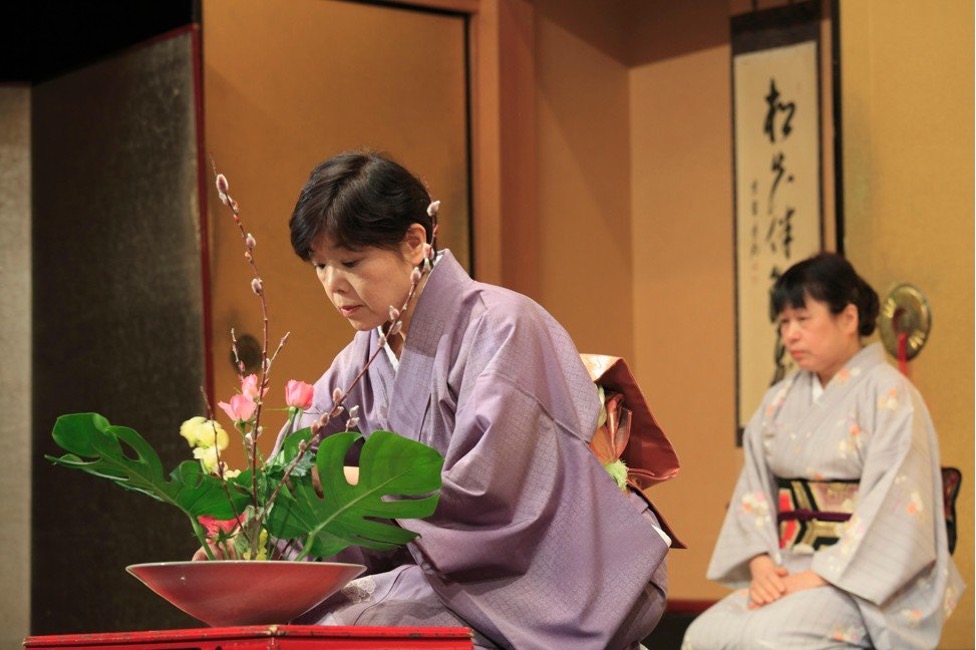
AND WHAT TO SAY ABOUT FLORAL THERAPY?
Isn’t it time to start looking more seriously at floral therapy? Researchers in Japan have developed a technique to influence patients with neuro-cognitive disorders, consisting of arranging flowers. The goal is to improve their visual-spatial memory (a person’s ability to identify visual and spatial relationships among given objects).
Patients are invited to follow an instruction that describes how to arrange real flowers and leaves. After that, the arrangement is left for them to take home to enjoy with their caregivers.
According to earlier research, the program in which structured floral arrangements are applied improves visuospatial memory and stimulates patients to continue cognitive training.
The researchers also wanted to know the impact of the program on the mental health of the caregivers themselves. They found that caregivers who received arranged flowers as a gift from patients enjoyed better sleep and an overall improvement in emotional state.
It was also found that bouquets taken home became a topic of conversation between caregivers and patients, which was also of great benefit to both parties.
A pilot study published in late 2018 in Medical Guidelines supports the idea that floral therapy benefits not only patients but also their caregivers.
Text by Sasha Gonzalez, August 19, 2019.